

If you’ve never heard the term “cloud gaming”, think of it as Netflix for video games. Instead of buying a console or a high‑end PC, you stream the game from a remote server to any device that can run a web browser or a lightweight app. The first thing most people notice is the hardware cost: a family in Manchester saved roughly £400 by ditching a PlayStation 5 and a 4 K TV, opting for a modest laptop and a 30‑pound monthly subscription.
That price‑cut isn’t the only benefit. Because the heavy lifting happens in the data centre, the graphics quality you see is often comparable to a top‑tier console, provided you have a stable broadband connection of at least 15 Mbps. In practice, a 30‑minute gaming session on a typical UK broadband line (average download speed 64 Mbps, according to Ofcom) feels as smooth as playing locally, with latency usually under 30 ms for most titles.
Impact on the UK entertainment ecosystem
Streaming services have already reshaped how we watch TV; cloud gaming is doing the same for interactive media. First, the barrier to entry for developers has dropped. Small studios no longer need to certify a game for multiple consoles; they upload a single build to the cloud platform, and the service handles distribution across PlayStation, Xbox, Switch, and PC users alike. This has led to a surge in indie titles—around 1,200 new games were added to major UK‑accessible cloud libraries in the past year alone.
Second, the way households allocate leisure time is shifting. A recent survey of 2,000 UK gamers showed that 42 % now prefer a “quick‑play” session of 20–30 minutes on a tablet during a commute, rather than a two‑hour weekend marathon on a console. This bite‑size approach aligns with the rise of on‑the‑go entertainment, meaning families can share a single device without fighting over who gets the TV.
Third, the rental market for physical discs is shrinking. Video‑store chains that once stocked dozens of game titles have either closed or repurposed their floor space for board games and VR experiences. The ripple effect is visible in retail: sales of new physical game copies fell by 12 % year‑on‑year, while digital subscriptions grew by 27 %.
Technical hurdles and who feels them most
The biggest limitation remains internet reliability. Rural areas in Scotland and Wales still report average download speeds below 10 Mbps, which can cause buffering or reduced visual fidelity. For gamers in those regions, the promise of console‑quality graphics remains out of reach, forcing them to either upgrade their broadband (often at a higher monthly cost) or stick with local hardware.
Another concern is data caps. Many UK broadband packages cap usage at 500 GB per month. A single hour of cloud gaming in 1080p can consume up to 7 GB, meaning a heavy user could hit the limit after just a few sessions, incurring overage fees. This makes cloud gaming less attractive for households that already stream high‑definition video or work from home.
Where cloud gaming meets traditional online entertainment
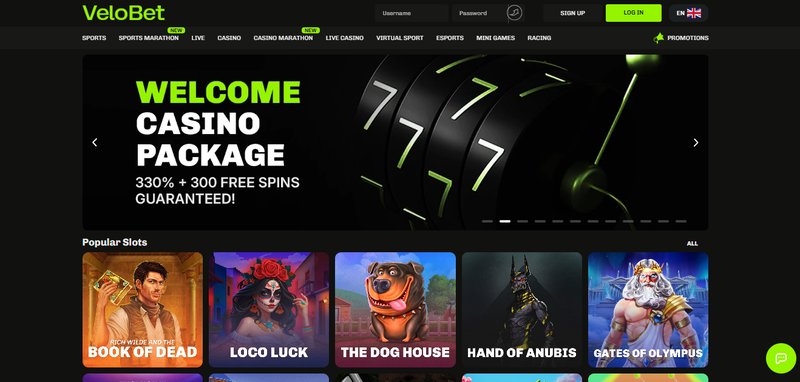
While cloud gaming expands the way we play, it also dovetails with other forms of online fun. For instance, many users now switch from a streamed movie to a quick multiplayer match without changing devices. Platforms that combine video streaming and game streaming are beginning to offer bundled subscriptions, blurring the line between watching and playing. In that context, the site velobet provides a glimpse of how integrated entertainment can look, mixing live betting with interactive experiences.
Looking ahead: what the next five years could hold
Analysts predict that by 2030, over 60 % of UK gamers will have tried cloud gaming at least once. Expect three key developments:
- Edge computing expansion: More data centres placed closer to users will shave milliseconds off latency, making fast‑paced shooters feel as responsive as local consoles.
- Hybrid subscription models: Companies will bundle cloud gaming with music, film, and e‑book services, offering a single monthly fee for a full entertainment suite.
- Cross‑platform ecosystems: Achievements, friends lists, and saved games will sync seamlessly between a console, a laptop, and a smartphone, erasing the notion of “device‑locked” progress.
For now, the biggest takeaway is simple: cloud gaming is turning expensive, hardware‑heavy gaming into a flexible, on‑demand service. Whether you’re a student in Bristol with a modest laptop or a family in London looking to share a single device, the shift is already changing how you experience interactive entertainment.