

Moreover, the United States government is providing funding and running programs to encourage private companies to deploy automated robotic accounting solutions to improve the smooth flow of their workflows. For instance, the U.S. federal government introduced new RPA programs, creating around 1,000 robotic automation solutions that freed around 1.5 million hours of capacity. The rising adoption of automation software, solutions, and processes by enterprises and government agencies in this region is driving market growth. Federal government allocated funding to encourage RPA and AI adoption to serve U.S. citizens better. Robotic Process Automation (RPA) is a cutting-edge technology designed to automate repetitive tasks, thus allowing businesses to achieve more with fewer resources. In the realm of accounting, this means that RPA can seamlessly integrate with existing accounting systems and ERP platforms, facilitating smooth data transfer and management across all operations.
RPA and Accounting: Normalizing Processes
The region benefits from a large labor pool and increasing digital transformation initiatives. Repositioning employees into more strategic roles, rather than replacing them, ensures the human element remains integral to the accounting process while benefiting from RPA’s technological advancements. While some technical knowledge can be helpful, many platforms offer intuitive interfaces and drag-and-drop functionality, making it easier for non-technical users to create and manage automations.
KEY MARKET INSIGHTS
Robotic Process Automation is transforming different departments in enterprise-scale companies. As a C-Suite or manager, you can adopt RPA to automate invoice processing, expense reporting, payroll management, and financial forecasting. Accounting automation using RPA offers several benefits, including reduced costs and losses and improved productivity and regulatory compliance.
Best Practices for RPA Implementation in Accounting
Robots are not only making the finance & accounting processes more efficient but also increase the quality and effectiveness. Our experience shows that robots are also one of the most effective ways to meet increasing compliance requirements at your organization. It can seamlessly interact with various software systems, extract data, perform complex calculations, generate detailed financial reports, and execute financial transactions. Unlike their human counterparts, RPA BOTs (Short term for Robots) work tirelessly around the clock, seven days a week, without fatigue, distractions, or errors. They ensure data accuracy and unwavering process efficiency, revolutionizing the way financial and accounting tasks are accomplished.
Time Efficiency

Potential disruptions may arise from evolving regulations and cybersecurity threats. Emerging opportunities http://pss-boilers.com/bookkeeping/42596.html lie in integrating RPA with other technologies like AI and IoT. Innovative approaches to overcoming industry challenges include developing robust security frameworks and continuous upskilling of the workforce to adapt to automation advancements.
Adopting RPA for accounting automation is an effective way to reduce time wastage and boost operational efficiency. You can redirect saved hours to revenue-generating activities, increasing your company’s competitive advantage. But achieving this level of perfection is easier said than done without automation. For starters, manual invoice processing can lead to operational lags in accounts payable. You can use RPA to automate invoice processing, including receiving, verifying, and paying invoices.
- Automated systems can also reconcile bills with purchase orders and agreements, assuring accuracy and compliance.
- Look for software that integrates seamlessly with your existing accounting and business systems.
- By freeing up human resources from mundane tasks, RPA enables employees to focus on more value-added activities, such as analysis and decision-making, thereby enhancing overall productivity.
- Accounting teams spend a significant amount of time filling in data and tracking payments within disparate systems.
Financial Reporting
To get the most out of your solution, adhere to RPA implementation best practices. Individuals who oversee robotic accounting must set performance criteria and evaluate outcomes. Human specialists are critical when it comes to the ethical elements of finance and accounting, as this is a blind spot for automated systems.
- Automated systems can generate orders from requisitions, route them towards approval, and link them to invoices and delivery, so that only validated items are paid for.
- Improved data accuracy improves the standard of financial reporting and analysis, giving stakeholders accurate insights for making better strategic choices.
- Applying the correct payments to the correct accounts and invoices is a complex process that includes numerous opportunities for error.
- Since most of the business processes in accounting are repetitive, time-consuming, and require high precision, RPA bots can reduce costs and increase accuracy.
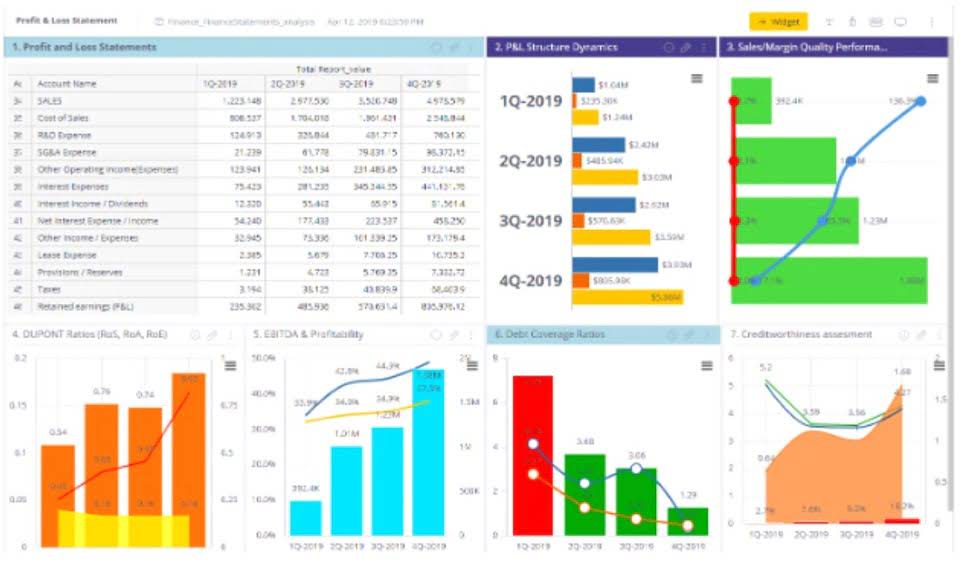
- As a professional in accounting, you understand the challenges of updating P&L reports manually.
This simple bot serves as a starting point for a bot developer to build a more robust bot https://www.bookstime.com/ that is less likely to break if a screen on an app changes slightly. To make the most out of using Robotic Process Automation (RPA) in accounting, adhering to established best practices for its deployment is crucial. Freed from mundane responsibilities, employees have the opportunity to immerse themselves in work that is more fulfilling. This leads not only to enhanced satisfaction, but also boosts their productivity and plays a substantial role in fostering organisational growth.
Teribery noted that RPAs can prove especially beneficial for firms using legacy or homegrown software that doesn’t have a back-end application programming interface (API) or other automation capabilities. Digital Workers are able to monitor the correctness and completeness of invoices. Increases in 3-way match automation rates bring direct savings to organizations wishing to enhance their purchasing.